
What Are Hallucinogens?
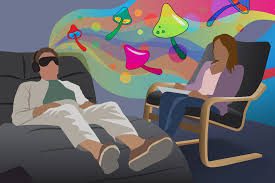
Hallucinogens are a group of substances that change the way a person perceives reality. They can affect thoughts, emotions, and especially the senses—leading to experiences that feel vivid, unusual, or even dream-like.
Some hallucinogens occur naturally in plants and fungi, while others are created in laboratories. What they all have in common is their ability to alter consciousness in noticeable and sometimes profound ways.
How Do Hallucinogens Work?
Most hallucinogens interact with the brain’s serotonin system, which plays a role in mood, perception, and cognition. One well-known example is LSD, which can significantly distort perception and thinking.
Another example is Psilocybin, found in certain mushrooms, which the body converts into psilocin—affecting how the brain processes sensory information.
These interactions can lead to heightened awareness, altered time perception, and changes in how reality is experienced.
Types of Hallucinogens
Hallucinogens are often grouped based on how they affect the brain:
🌿 Classic Psychedelics
These are the most well-known and are often associated with visual and emotional changes:
- Psilocybin mushrooms
- LSD
- DMT
🌵 Natural Plant-Based Hallucinogens
Used traditionally in cultural or spiritual settings:
- Peyote (contains mescaline)
- Ayahuasca
💊 Dissociative Hallucinogens
These create a sense of detachment from reality:
- Ketamine
- PCP
What Do Hallucinogens Feel Like?
The effects can vary widely depending on the substance, dose, and environment. Common experiences include:
- Visual distortions or hallucinations
- Changes in perception of time and space
- Heightened emotions
- Deep introspection or unusual thoughts
Some people describe these experiences as meaningful or eye-opening, while others may find them confusing or overwhelming.
Potential Benefits Being Studied
In recent years, researchers have started exploring the possible therapeutic uses of certain hallucinogens. Early studies suggest they may help with:
- Depression
- Anxiety
- PTSD
- Addiction
However, this research is still ongoing, and these substances are not universally approved for medical use.
Risks and Considerations
Hallucinogens are not without risks. Possible negative effects include:
- Anxiety or panic
- Confusion or disorientation
- Risky behavior due to altered judgment
- Long-lasting psychological effects in some cases
This is why environment, mindset, and proper guidance are so important.
Final Thoughts
Hallucinogens are complex substances that can deeply alter perception and awareness. While they continue to be studied for potential benefits, they also come with real risks that shouldn’t be overlooked.
Understanding what hallucinogens are—and how they affect the mind and body—is the first step toward having a more informed and balanced perspective.